
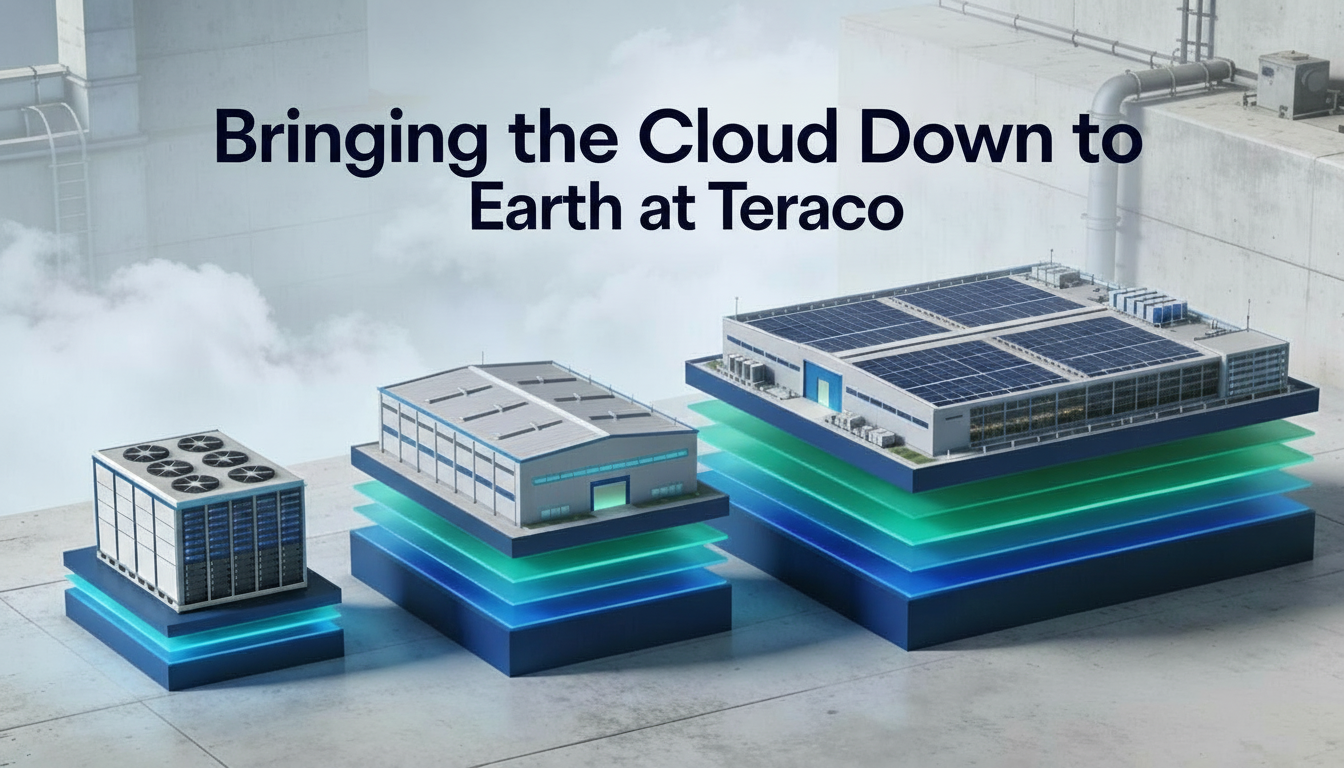
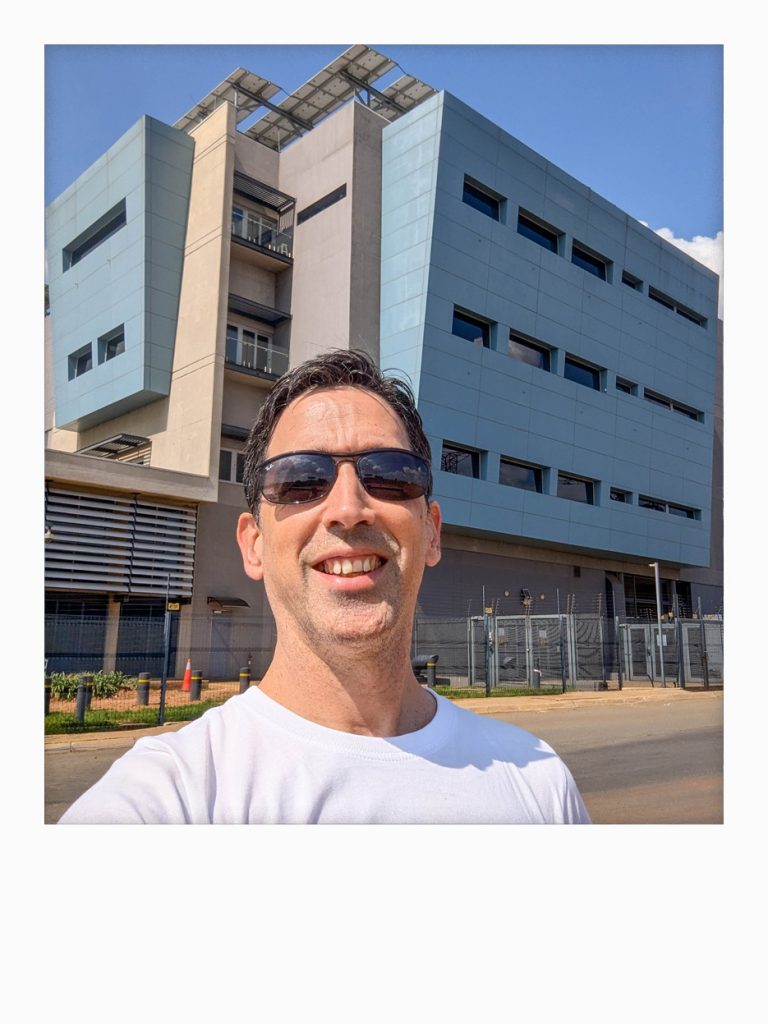
Walking into Teraco’s Isando campus in Johannesburg last April was one of those moments where the abstract becomes very real. We talk about “the cloud” like it’s weightless and magical, but standing inside a hyperscale data center does the opposite: it makes you see the cloud—steel, concrete, fiber, cooling systems, power feeds, security checkpoints. All very physical. All very deliberate.
The visit was to JB1, Teraco’s flagship facility, and I got to see JB5 being built right next to it. That’s where the title writes itself: Big, Bigger, Biggest…
🏢 JB1: where the cloud gets wired up
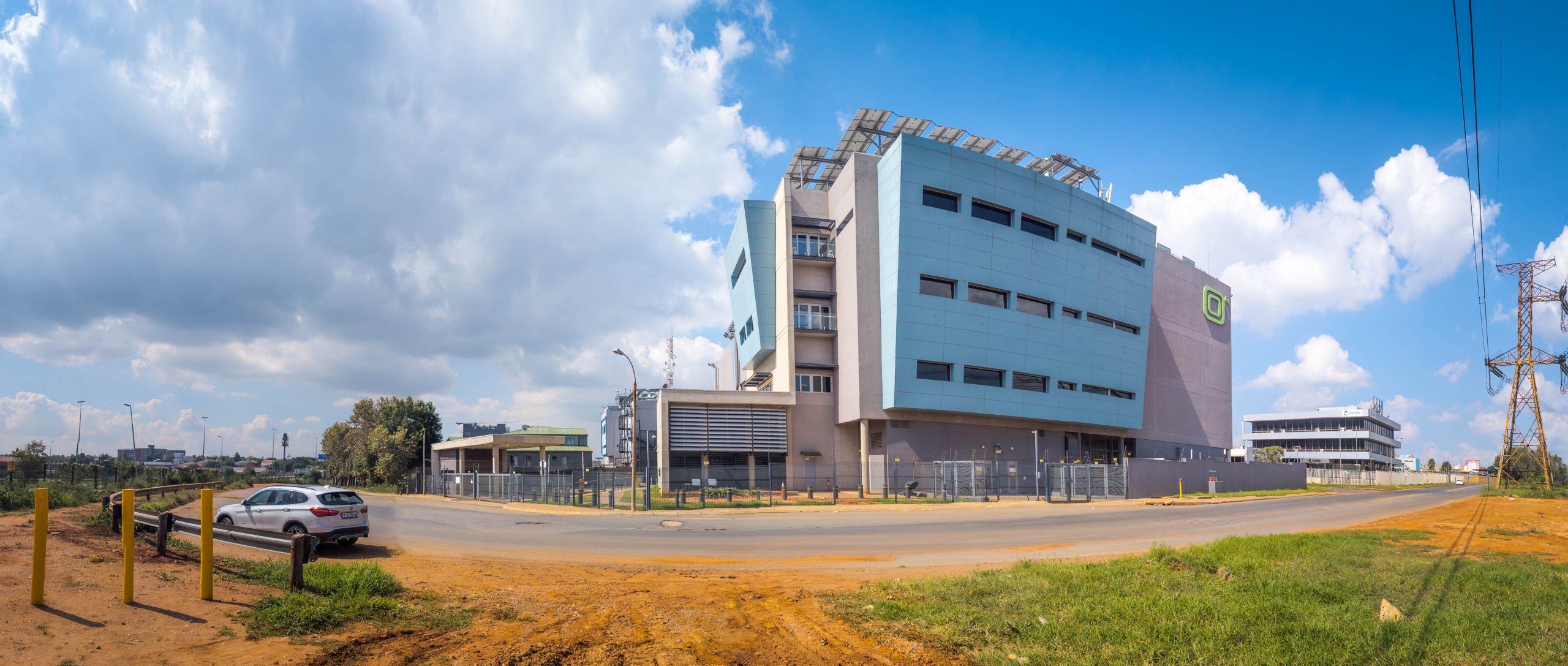
JB1 sits on Teraco’s Isando Campus in Ekurhuleni, east of Johannesburg, and it’s basically a digital crossroads for Southern Africa. Teraco designed these facilities to be carrier-neutral and cloud-neutral—meaning they don’t push you toward one provider; instead, they let enterprises, networks, and cloud platforms all meet in the same place
What makes it stand out as an architect:
➡️ Insane connectivity density. Teraco highlights Isando as one of Africa’s most interconnected environments
➡️ Direct cloud on-ramps via Africa Cloud Exchange—ExpressRoute for Azure, Direct Connect for AWS, Google Cloud Interconnect for GCP
➡️ NAPAfrica peering exchange hosted right inside, which keeps African internet traffic fast and local
So JB1 isn’t just a building with racks. It’s a platform where enterprises, ISPs, and cloud providers converge and plug in.
☁️ Azure South Africa North — it lives here
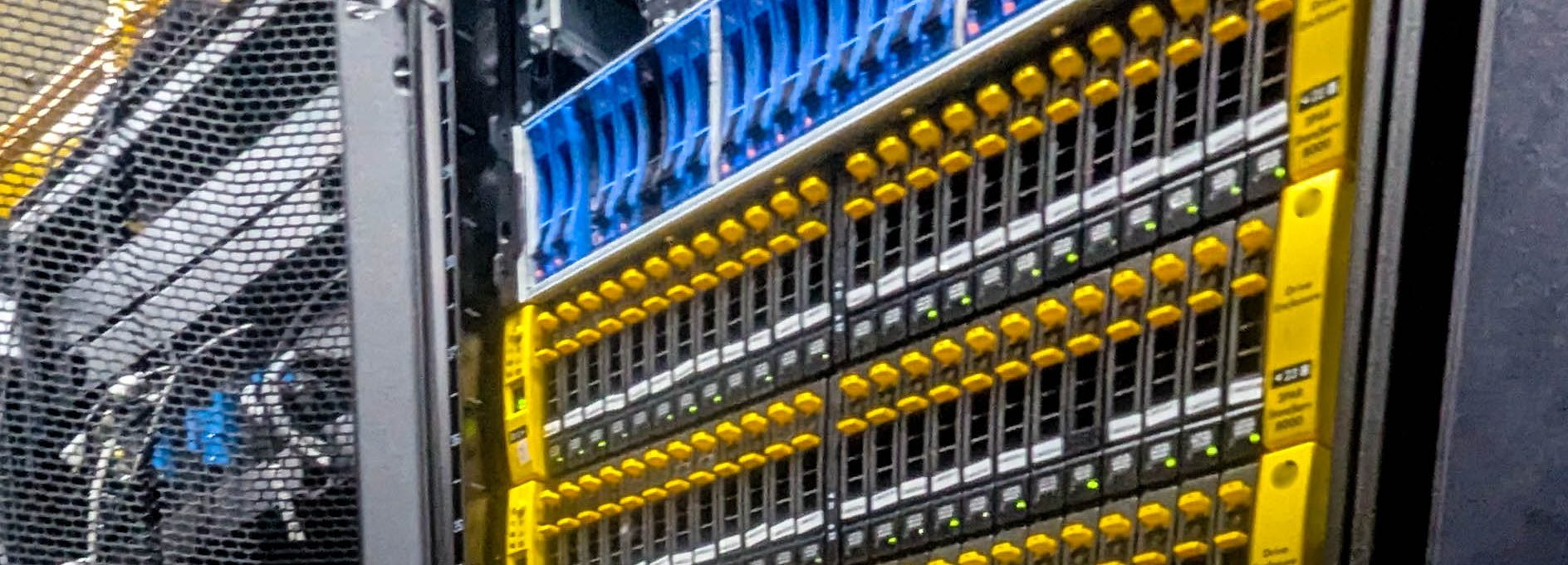
For our customers running workloads in Microsoft Azure South Africa North, the magic happens right here at JB1. When you walk the halls, you see blinking LEDs on racks—those are many of the ARM resources we deploy for customers, the actual compute and storage sitting in front of you. That’s the “bring the cloud down to earth” moment: the cloud is not abstract; it’s literally the hardware humming in that building.
JB1 is also the front door to Azure: it’s where private ExpressRoute connections live—your network meets Microsoft’s backbone here, privately wired with no internet hop needed. And the cloud itself spans Availability Zones across multiple facilities in Johannesburg for resilience. So you see part of your workload blinking on those LEDs in JB1, but the region spreads across the entire metro area. JB1 is the entry point; the cloud is distributed.
But Azure isn’t alone here. All the major cloud providers are hosted at JB1 too. Teraco’s Africa Cloud Exchange explicitly connects you to:
➡️ AWS Direct Connect
➡️ Google Cloud Interconnect (including direct access to Google’s Johannesburg region)
So the entry point is truly multi-cloud: Azure, AWS, GCP—all plugged in from the same place. JB1 is the front door to the entire cloud ecosystem.
🔌 Power: the Johannesburg reality
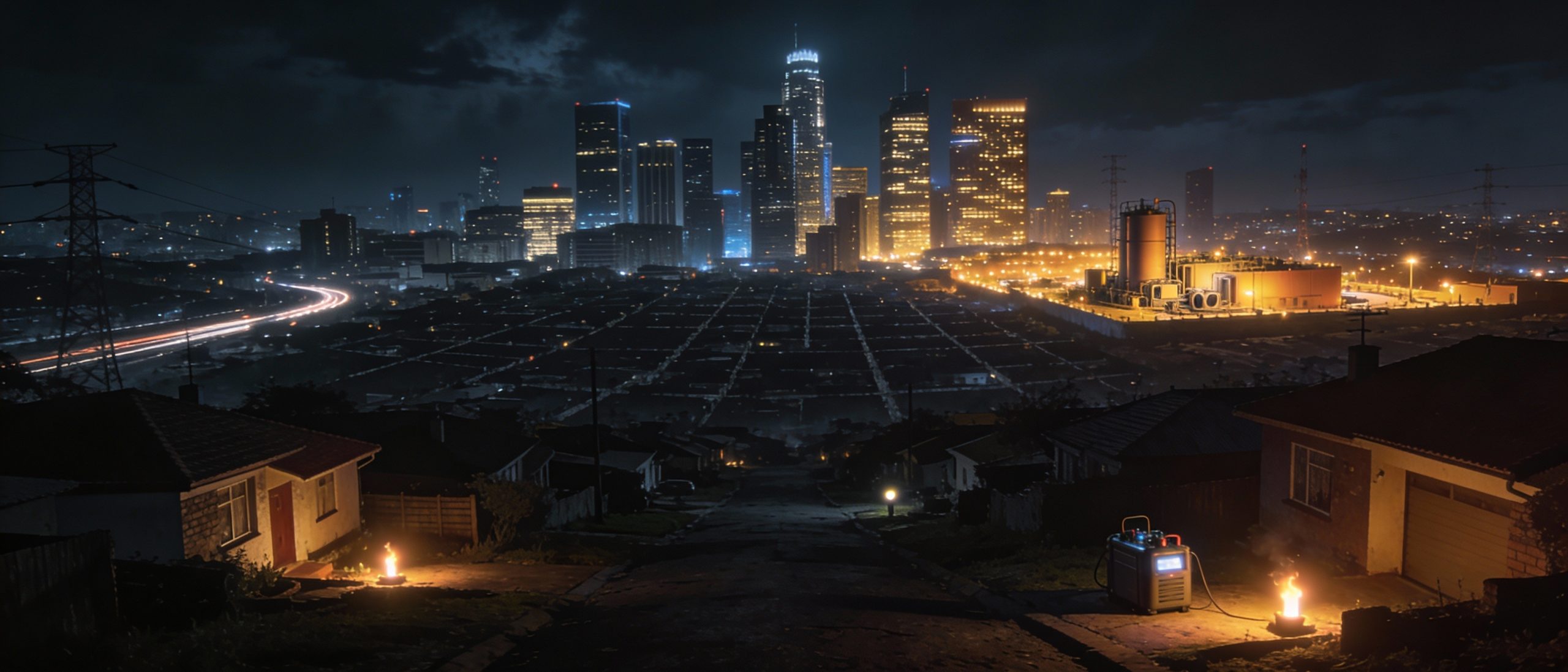
You can’t tour a Johannesburg data centre right now without talking about power. South Africa’s grid has been … rough. Load shedding has been real.
What’s impressive is how Teraco engineers around it: redundant UPS, generators, resilient infrastructure designed to keep running through outages and maintenance. But they went bigger than that—the CEO described times when grid availability was around 15–20%, meaning Teraco was basically running on diesel at millions of rands a month.
So Teraco committed to self-supplied power: a 120MW utility-scale solar plant being built to feed power to the data centres. That’s not a sustainability marketing play—that’s a response to real grid constraints.
🔨 JB5: the new generation being built
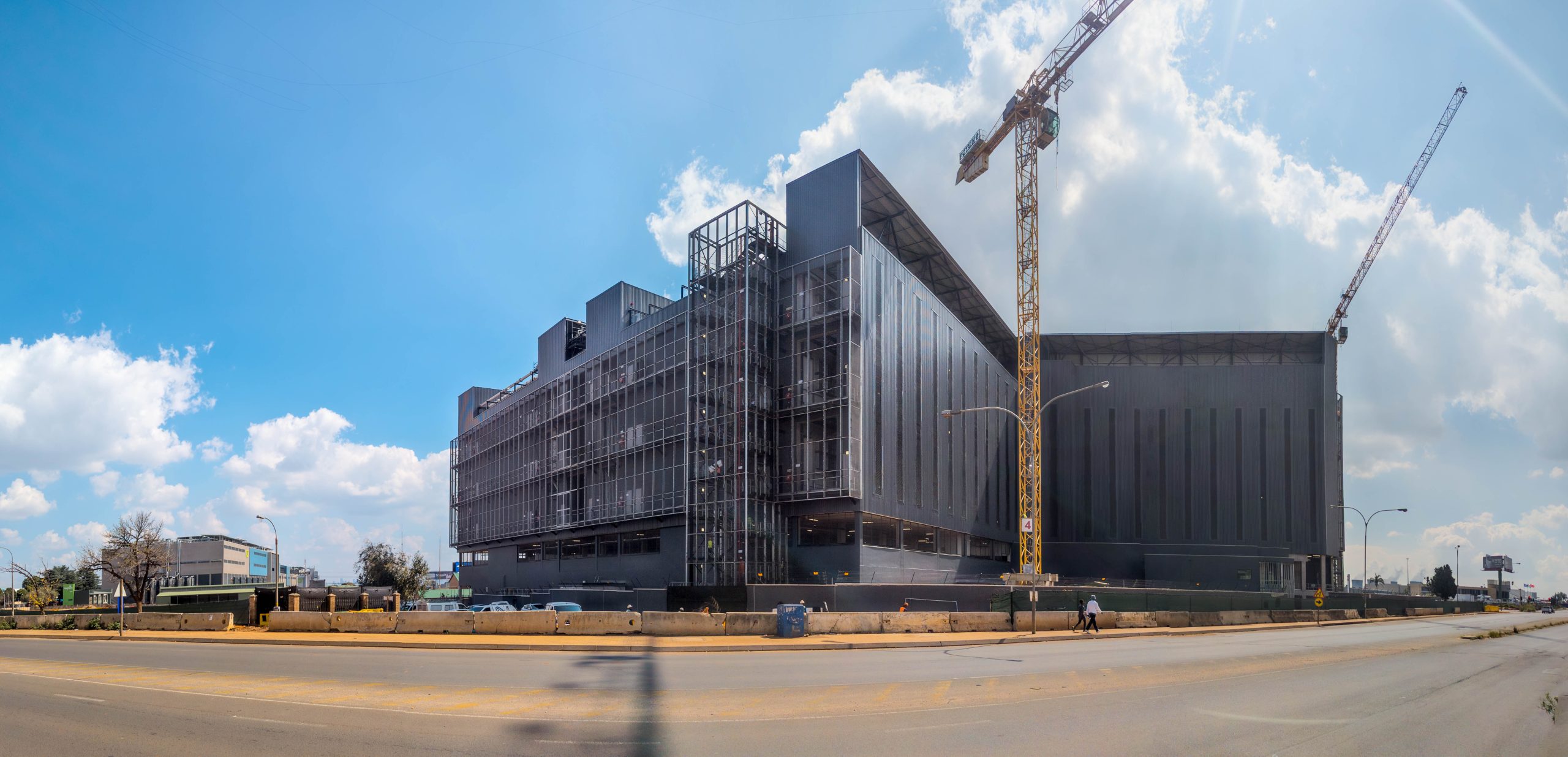
In April when I visited, JB5 was still under construction, but you could already see it was a different animal from JB1. Teraco’s specs for JB5:
➡️ 30MW critical power load
➡️ 12 data halls at 1,000m² each
➡️ Modern closed-loop chilled water cooling with 100% free air cooling—zero water usage for ongoing cooling
It’s clearly designed for modern workloads (especially AI/GPU-heavy stuff), but it plugs seamlessly into the same interconnection ecosystem as JB1.
📈 JB5 vs JB1: and what comes next
The Isando Campus as a whole (JB1, JB3, JB5 combined) is now a 70MW facility. JB5 is the modern 30MW hyperscale block; JB1 is the earlier anchor where all the cloud on-ramps and peering live.
And Teraco’s not stopping there. JB7 (launching 2026) adds another 40MW with eight 1,500m² halls, bringing the Isando campus to 110MW total. The trajectory is clear: JB1 was the anchor, JB3 and JB5 brought modern scale, JB7 pushes it even bigger.
Data centres usually live in abstractions: regions, zones, resiliency scores, peering diagrams. Walking through JB1—and watching JB5 rise—made it concrete:
- The cloud isn’t “somewhere else.” It’s engineered decisions in a physical place: power, cooling, security, connectivity.
- Azure in South Africa isn’t just a Microsoft region label—it’s the private connectivity ecosystem that makes hybrid architectures real, and Teraco is one of the key connection points.
- In a place where electricity is genuinely constrained, resilience isn’t marketing speak; it’s a cost line and a serious engineering priority.
That’s what stuck with me: it actually did bring the cloud down to earth—and gave me a whole new respect for the scale and discipline required to make “always on” feel effortless.
Comments are closed